The government has announced that Kenya’s new Social Health Authority has raised Sh142 billion in contributions and brought 29.4 million citizens on board, highlighting rapid expansion of the country’s universal health coverage plan.
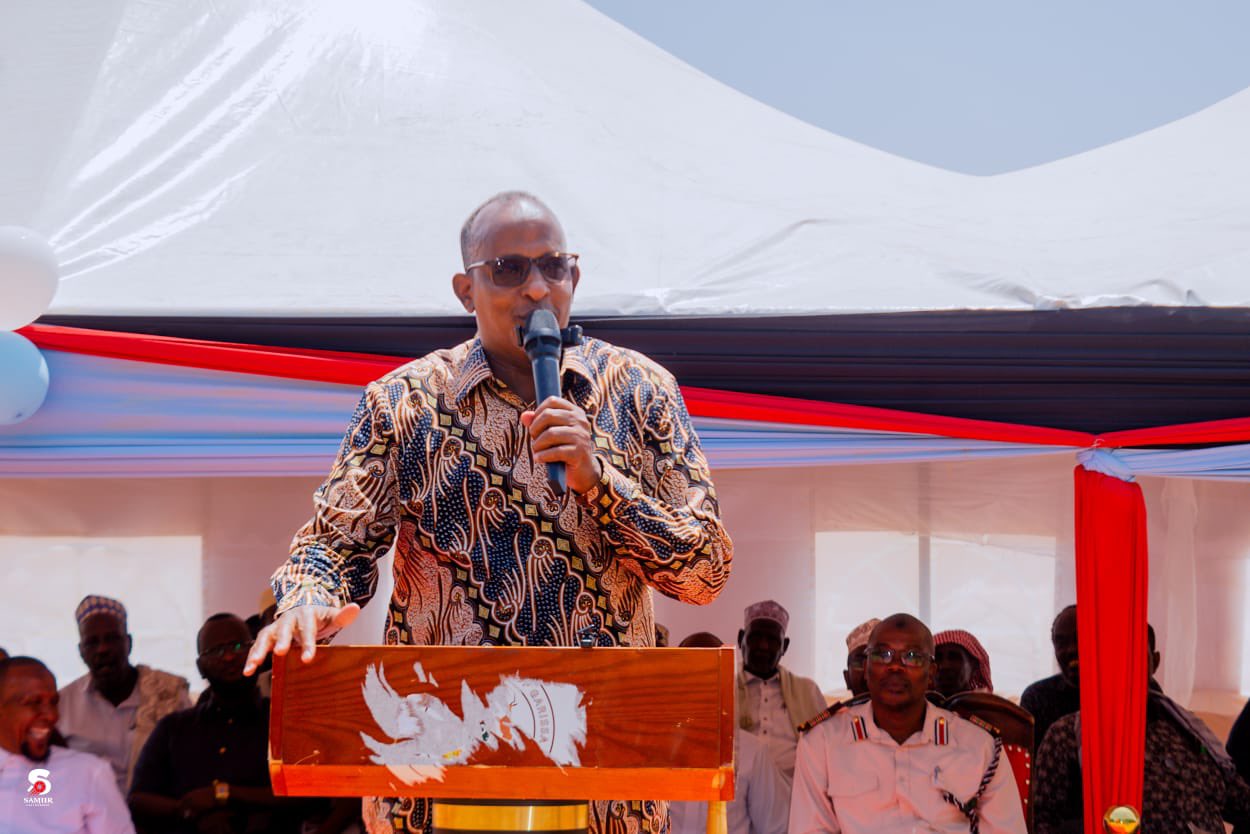
Health Cabinet Secretary Aden Duale shared the update during the 29th Ordinary Session of the Intergovernmental Budget and Economic Council chaired by Deputy President Kithure Kindiki, outlining gains made since the shift from the National Hospital Insurance Fund to SHA.
Out of the total collections, Sh102.3 billion has already been paid out to health facilities for services offered to patients. The Ministry of Health said the payments have helped stabilise operations in public hospitals, private facilities, and faith-based institutions by improving liquidity and reducing strain on service delivery.
“Kenya is making steady and measurable progress toward Universal Health Coverage. The transition from NHIF to SHA is delivering results in terms of enrolment, collections and service access,” Duale told members of the council that coordinates fiscal planning between national and county governments.
The enrolment figures show a steep jump from the seven million Kenyans who had active cover under NHIF before it was phased out. Of those currently registered, more than eight million have already sought care at the primary level, while over 3.2 million accessed benefits through the Social Health Insurance Fund.
SHA is now operational in 10,277 facilities across the country. These include 5,672 county-run facilities, 533 managed by faith-based organisations, and 4,072 private providers.
County facilities have received the largest portion of primary healthcare payments at 57 per cent, followed by private hospitals at 36 per cent. Nairobi recorded the highest disbursements, ahead of Kiambu, Mombasa, Kakamega, and Bungoma.
The data presented to the council reflected increased use of hospital services. From October 2024 to January 2026, more than 1.8 million patients were admitted for inpatient care.
Maternity and child health services handled over 893,000 cases, while surgical procedures approached 300,000. Demand for imaging, cancer treatment, dialysis, and critical care services has also been rising.
IBEC members confirmed steps toward reinstating free maternal healthcare, with the National Treasury directed to release Sh2 billion to roll out the programme in Level 2 and Level 3 facilities.
Between October 2024 and December 2025, health facilities reported 583,298 normal deliveries and 326,684 Caesarean sections under the maternity package. The estimated yearly cost of sustaining the programme in lower-level public and faith-based facilities stands at Sh2.04 billion.
County governments were encouraged to pay premiums for vulnerable groups to widen coverage. Murang’a, Migori, Trans Nzoia, and Mombasa were recognised for already financing insurance for thousands of residents who cannot afford contributions.
The council also assessed progress under the National Equipment Service Programme. All counties have agreed to receive specialised medical equipment, but governors were asked to speed up the signing of additional agreements to activate maintenance funding and ensure the machines are fully utilised.
Despite the gains, some operational gaps were flagged. A total of 1,287 county-managed facilities have not received primary healthcare payments due to missing bank details, incorrect account information, incomplete electronic contracting, or inconsistencies in facility identification codes.
In several instances, banks returned funds because account details were invalid. Counties were urged to correct the records to unlock pending payments and clear outstanding claims.
Duale warned against misuse of the system, noting cases of altered records, incomplete claim files, exaggerated billing, and double claims involving maternity and inpatient benefits.
“The Ministry and SHA will not pay any questionable claims or those submitted without proper supporting documentation,” he said, adding that tighter checks are necessary to safeguard public funds.
At the same time, the review showed that many facilities are complying with requirements by billing within approved rates, submitting claims on time, and cooperating with audits.
Accident and Emergency services are currently running in Level 6 hospitals. So far, 8,105 claims valued at Sh45.4 million have been filed, but only 15 per cent qualified for reimbursement due to ineligible submissions.
Plans are underway to extend emergency coverage to 1,070 Level 4 to Level 6 facilities at an annual projected cost of Sh500 million, starting with referral hospitals before onboarding smaller centres.
Targeted health initiatives were also discussed. The Teen Mothers Programme has registered 48,273 teenage mothers in 44 counties through assisted enrolment, with November 2025 recording the highest monthly registrations.
Deputy President Kindiki said sustained coordination between national and county governments will determine the success of SHA and the broader UHC agenda.
Counties were advised to strengthen financial oversight, complete pending contracting steps, and intensify enrolment efforts, especially among informal workers and vulnerable households. Duale cautioned that administrative delays at county level could slow down the progress already made.
With membership nearing 30 million and payments to facilities crossing Sh100 billion, the government indicated that the next phase will focus on service quality, fraud prevention, and ensuring that every Kenyan can access affordable treatment without facing financial hardship.
The IBEC meeting ended with a joint pledge to address bottlenecks and push forward reforms aimed at delivering universal health coverage nationwide.




























Comments
Sign in with Google to comment, reply, and like comments.
Continue with Google